
POTS Postural Orthostatic Tachycardia Syndrome
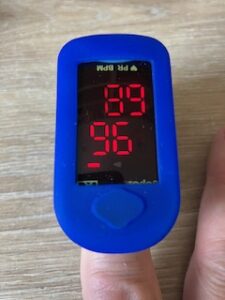
POTS is Postural Orthostatic Tachycardia Syndrome). The definition is that on standing, then there is a rise in heart rate (pulse rate).
The diagnosis is made on the evidence that the Pulse rate (heart rate) must increase by ≥30 beats per minute (or ≥40 bpm for ages 12–19) within 10 minutes of standing, while your blood pressure remains stable without a significant drop in blood pressure.
Normal heart rate in a healthy person, then when standing it is the autonomic nervous system which automatically constricts blood vessels and slightly raises heart rate.
POTS patients the constriction of the blood vessels do not constrict properly, so that the effect causes blood to pool in the lower half of the body. To compensate and push blood to the brain, the heart beats excessively fast, known as tachycardia and the INCREASE in heart rate will rise more than 30 beats per minute.
It is important to note the essential diagnostic criterion is theabsence of a large, simultaneous drop in blood pressure known as orthostatic hypotension, and so distinguished from POTS diagnosis. In orthostatic hypotension there is both a high heart rate and a sharp fall in blood pressure when vertical.